
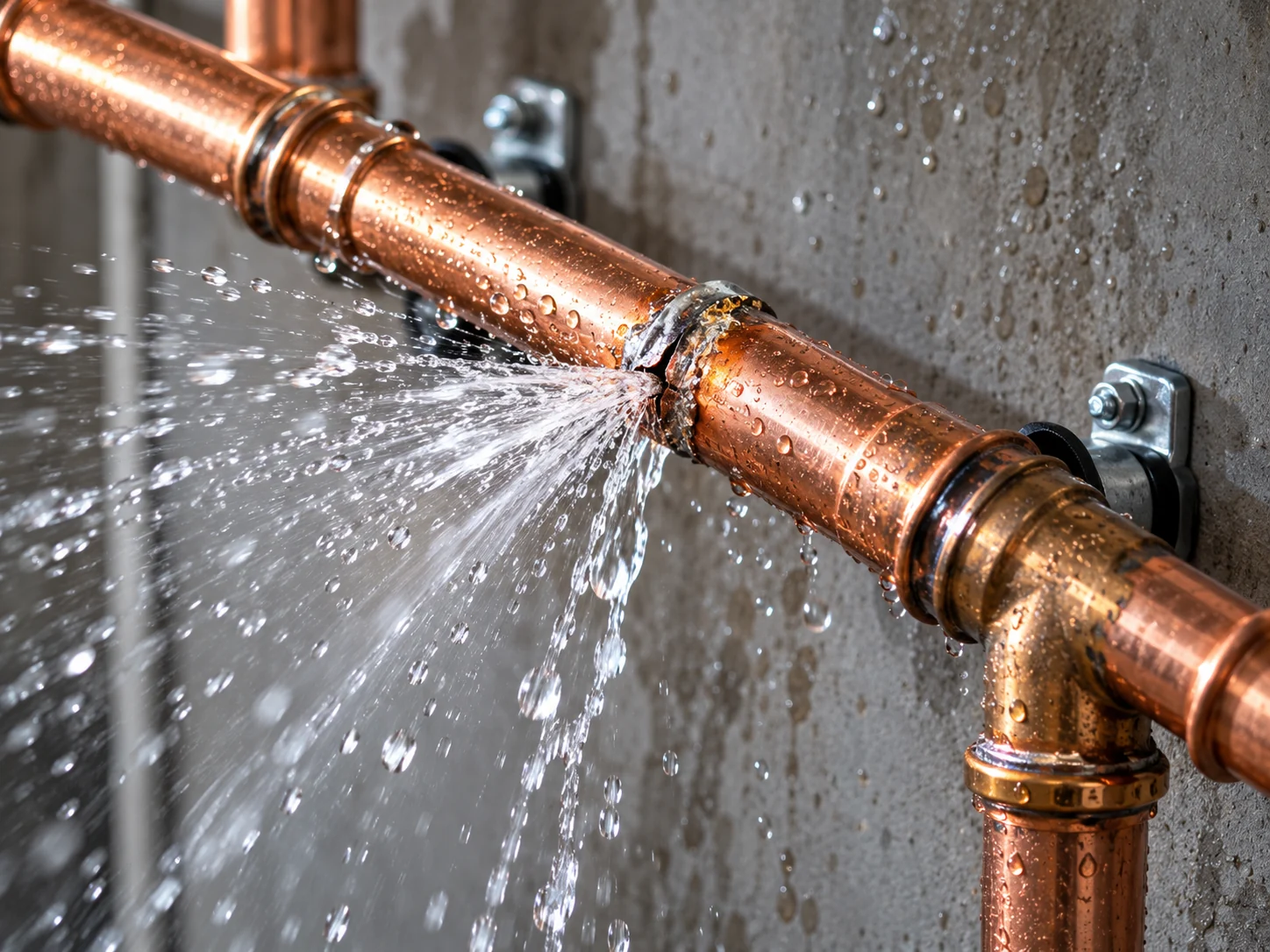
An exposed fitting is investigated differently from a line beneath a slab, driveway, wall cavity or landscaped area. Access conditions affect the work needed to locate and reach the issue.
Unexplained water use or recurring dampness needs a careful investigation, not guesswork. Grade A Plumbing can assess the evidence, explain likely causes and outline sensible next steps in Melbourne.
Tell us where moisture appears, how long it has been present and whether the water meter or fixtures have changed.
A higher bill, a damp patch that will not dry or the sound of water when nothing is running can be unsettling. Leak detection is a structured way to work out whether water is escaping, whether the source is likely plumbing or external moisture, and where further investigation should focus.
Grade A Plumbing assists Melbourne homeowners, renters, landlords, property managers and businesses with water-leak investigations. For an active burst or rapidly spreading water, phone (02) 5837 5457 and ask about 24/7 emergency plumbing availability; for less urgent concerns, an assessment can reduce the need to guess or open finishes unnecessarily.
Meter readings are most useful when they are compared with the way the property uses water. A steady change while taps, appliances, irrigation, evaporative cooling and toilets are not using water can point to a continuous loss on a pressurised service or a fitting that is quietly running. A record of readings at similar quiet times can show whether the loss appears constant, rather than relying on one unexpected bill.
Movement that occurs only at certain times may be intermittent. It can coincide with an irrigation programme, a toilet refill, cooling equipment, a hot-water system, an appliance cycle or a change in occupancy, so the timing matters as much as the reading. A meter test is inconclusive if the meter is shared, another resident uses water, an automatic system starts, a toilet or appliance cycles unnoticed, or the observation period is too short to show the pattern; it indicates where to look next, not the exact fault.
One clue alone rarely proves a concealed leak, but these observations make an investigation more focused:
The same property can have more than one moisture issue. This comparison shows why the investigation needs to match the pattern.
| Leak pattern | Typical signs | How it is investigated | What usually happens next |
|---|---|---|---|
| Visible leak | A drip, wet fitting, running toilet or water collecting at one accessible point. | Accessible fixtures, pipe joints and the nearby water path are inspected first. | Confirm the cause, repair the identified component or connection, then check the result. |
| Concealed leak | Damp finishes, meter movement, a warm floor area, mould or an unexplained water increase. | Water-use checks, isolation and targeted moisture, pressure, thermal or acoustic methods may be considered. | Narrow the area before a small opening, excavation, reroute or pipe repair is agreed. |
| Intermittent leak | Moisture or water loss that follows rainfall, a fixture, equipment cycle or particular time of day. | The timing is logged and the related system is checked while considering alternative water paths. | A follow-up observation or targeted access may be needed to confirm the source. |
A meter can show unexplained water use, but it cannot by itself distinguish every pipe, appliance or moisture source.
Concealed wall and ceiling pipework can leak at joints, fittings or along a service route, while water travels before it marks a ceiling or wall. Under-slab water services can be harder to see and may show through a warm floor area, moisture at an edge or continued use at the meter. Garden and boundary service lines can affect soil, paving and planted areas without creating an indoor symptom.
Bathrooms and kitchens have several water paths in a small area, including supply connections, fixture seals, wastes and wet-area finishes. Hot-water systems and their relief outlets can create visible discharge or local pooling, while evaporative cooling lines and irrigation lines may only operate on a schedule or during particular weather. Looking at the location and timing helps separate a buried supply issue from a wet-area, cooling or outdoor line concern.
A pressurised water-supply leak can lose water whenever that part of the system is live, even when no basin, shower or appliance is being used. Meter movement during a carefully controlled quiet period, a pressure change or a wet area beside a water line can support that line of enquiry. The repair may involve an accessible fitting, a section of water pipe, a buried service or a rerouted line after the fault is narrowed down.
A drainage leak usually depends on water being discharged through a fixture, appliance or drain. It may show during a shower, washing cycle or sink use, and the investigation can focus on wastes, traps, drain connections and pipe condition rather than a live supply line. Water entering from outside may follow rainfall, roof drainage, surface runoff, cladding or waterproofing paths; that requires the correct building or drainage response, not an assumption that a water pipe is leaking.
A relief outlet that drips regularly can be associated with a valve that is not sealing as it should, temperature or pressure conditions, or another issue affecting the system. A leak around a tempering valve may relate to the valve body, its connections or adjacent pipework, and it can be confused with water running from somewhere higher up. Both deserve assessment because the source and the safe repair are not clear from a drip alone.
Water pooling at the base of a hot-water unit can come from a nearby pipe or valve, while a corroded tank connection can indicate deterioration at that connection or the tank. The water should not be ignored simply because it is outdoors or near a drain. Do not try to adjust valves, disconnect pipework or make hot-water or gas repairs yourself; a suitably qualified practitioner can determine whether the issue is a connection, control component, tank or another water path.
The aim is to make each next step evidence-led and keep disruptive access work to what is justified.
The timing of dampness, changes in water use, photos, meter observations and recent building, garden or appliance work help identify useful starting points. Information about shared services or whether the issue follows rain or fixture use is particularly valuable.
Visible fixtures, exposed pipework, hot-water equipment, relief outlets, outdoor taps and likely water paths are checked before concealed areas are considered. This can reveal a local fault that does not need invasive searching.
Where appropriate, parts of the plumbing can be considered separately so supply, drainage, irrigation or equipment-related clues are not treated as one problem. Meter readings and the site evidence are assessed together.
Pressure checks and suitable moisture, thermal, acoustic or drain-inspection methods may help reduce the search area. No single result is treated as proof without considering the building layout and observed water path.
Before an opening, excavation or repair proceeds, the likely source, access needed and remaining uncertainty should be explained. After the repair, a recheck can show whether the original symptom or water-use pattern has changed.
 concept
Visible moisture can travel from its source. Assessment helps clarify what should be investigated and repaired.
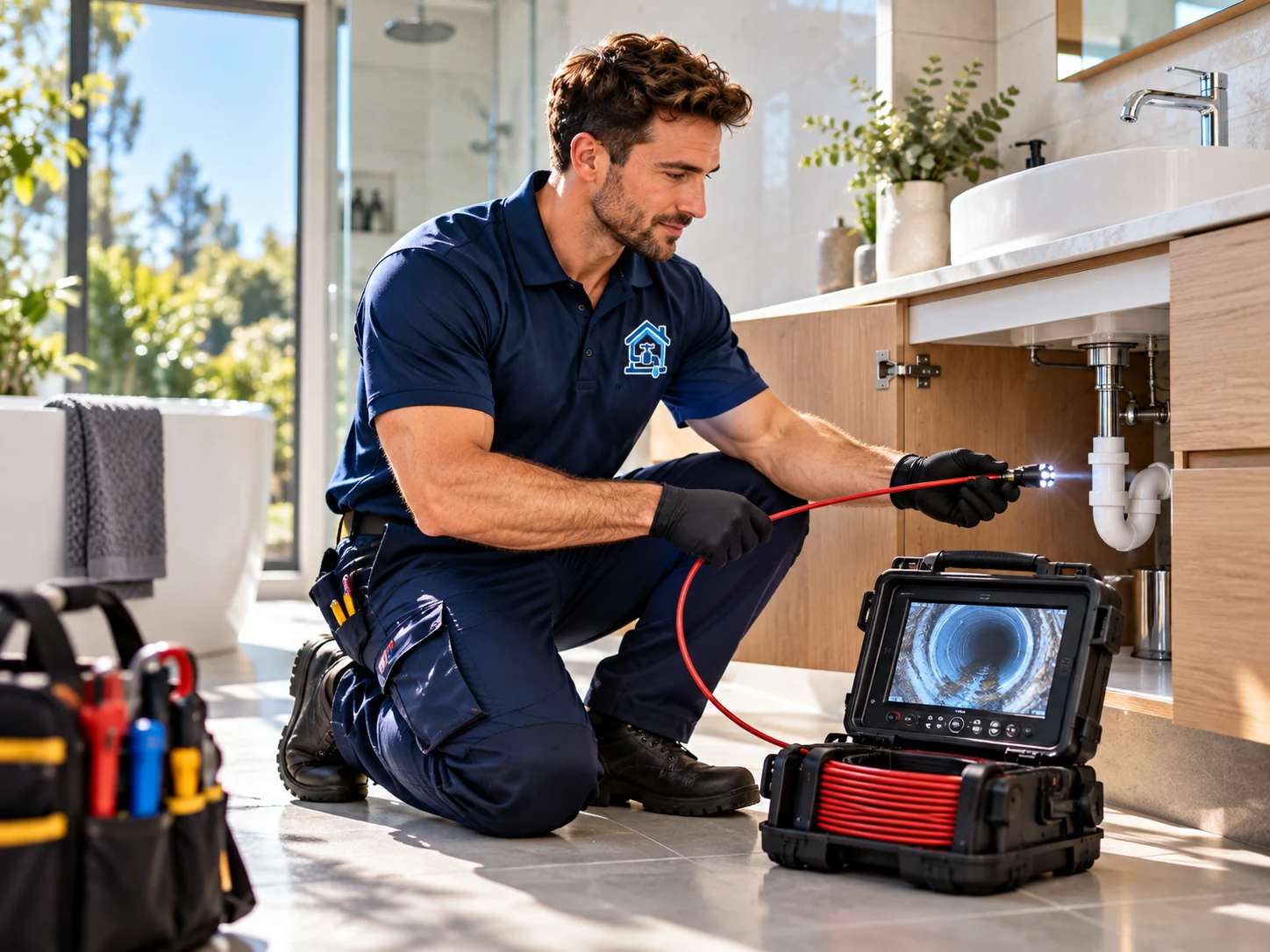
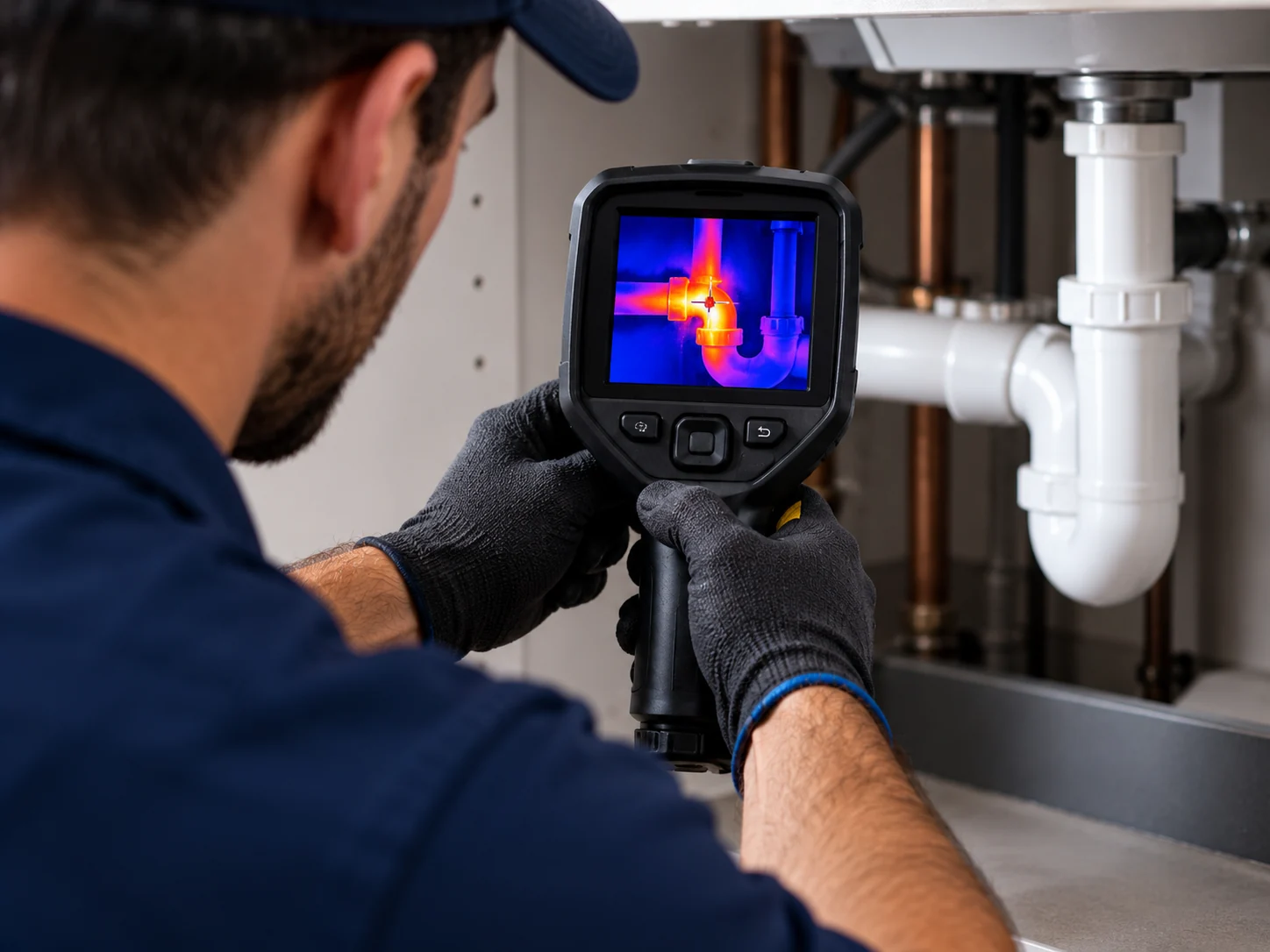
An initial inspection may be followed by pressure testing of an appropriate isolated section, moisture checks of finishes, thermal imaging for unusual surface temperature patterns, or acoustic listening for a pressurised water loss. A CCTV drain inspection can be useful when the evidence points to drainage. The method chosen depends on the system, access and symptom, so not every investigation needs every type of test.
These methods can reduce unnecessary opening, but walls, floors, soil, insulation, noise, pipe depth and water travel can limit the result. Thermal patterns do not automatically prove a leak, and a moisture reading does not on its own identify where water started. Where the evidence is still uncertain, a carefully targeted opening or a later check when the issue reappears can be more informative than broad exploratory work.
In an apartment, unit complex or commercial building, the first task is often to establish which meter, lot, common service and water path are involved. A shared or check meter can make a standard meter test less conclusive because other occupants or common equipment may be using water. Plans, meter labels and access to risers, service cupboards or adjoining areas can help the investigation distinguish a local issue from one affecting a shared system.
The owners corporation or building manager may need to coordinate access, notify affected occupants and confirm what is common property under the plan of subdivision. A leak investigation can identify a likely water path, but it does not by itself decide legal or financial responsibility. Owners, renters, managers and insurers may each need the findings and property documents before repair scope and access are approved.
A strong set of clues may identify the most likely leak area without exposing every part of a wall, floor, slab or garden. However, a concealed source can sometimes only be confirmed once limited access is made, and a repair may reveal pipe condition or water damage that was not visible beforehand. A property can also have a plumbing leak and a separate external-moisture or drainage issue at the same time.
After an identified supply repair, repeating a controlled meter observation or checking that the dampness stops can help confirm the original symptom has changed. If water use continues, moisture returns or an intermittent issue was not active during the visit, a follow-up check may be needed. This is not a failed investigation; it is a practical response to a fault whose evidence is partial or changes with use and weather.
Simple observation can help identify a change before it becomes widespread damage:
If water is near power points, wiring, appliances or the switchboard, keep clear of the wet area and do not touch electrical equipment or stand in water. Treat an active burst, water through a ceiling or a ceiling that is sagging as urgent, and keep people away from the affected area.
If you smell gas or suspect a gas leak, leave the area, keep people away and do not use electrical switches, devices, flames, matches, cigarettes or appliances. Contact the gas distributor emergency line shown on the gas bill, or call 000 from a safe place if there is a fire or emergency. Do not attempt gas repairs, testing or connections.
An accessible fitting, short pipe section or relief-related connection may have a straightforward repair path. A confirmed issue beneath a slab, driveway, tiled area or garden can require a discussion about targeted excavation, a small opening, replacement of a damaged section or rerouting a water line. The appropriate option depends on access, pipe condition, the system involved and whether the available evidence identifies a single point or a wider problem.
Plumbing work and restoring nearby finishes are not always the same scope, so it is useful to clarify what access, protection and making-good will be involved before work begins. In Victoria, plumbing and gasfitting work that requires licensing should be completed by an appropriately qualified practitioner. A definite price can only follow an assessment of the job and site conditions.
We do not publish fixed prices, because the right figure depends on what is actually found on site. These are the factors that shape a quote, and the proposed scope and price are explained before agreed work proceeds.
An exposed fitting is investigated differently from a line beneath a slab, driveway, wall cavity or landscaped area. Access conditions affect the work needed to locate and reach the issue.
A visible, localised leak may need less diagnostic work than intermittent water loss or dampness with several possible causes. Meter observations, photos and site history can help narrow the investigation.
The appropriate combination of visible checks, meter work, pressure testing and targeted detection methods depends on the property and symptom. Not every investigation needs every method.
Shared meters, multiple tenancies, buried services, restricted access and complex cooling, irrigation or hot-water systems can add coordination and investigation work.
The required work can range from an accessible connection repair to targeted excavation, a rerouted line or replacement of a longer deteriorated section. The repair recommendation follows the assessment.
Emergency attendance where available, protecting the area, opening and restoring finishes, and coordinating occupants or other trades affect the overall scope. A firm price requires the work to be assessed.
Every business prices this work differently, and the figure depends on the assessment outcome, access, parts and whether attendance is outside standard hours. Ask for the proposed scope and price before work starts.
If your situation is urgent, call first to discuss availability and the safest next step.
Leak detection is the process of investigating unexplained water loss or moisture to identify the most likely source. It starts with visible checks and water-use patterns, then may use targeted testing of pipework, drainage or building surfaces. The aim is to make a repair decision based on evidence rather than opening walls or digging at random.
No. A change in household numbers, garden watering, pool use, a running toilet, appliance use, evaporative cooling or a hot-water issue can also increase water use. A meter check can suggest water is being used when it should not be, but an inspection is needed to determine where it is going and why.
Yes, it can be a useful early check when all planned water use, appliances, sprinklers and cooling systems are stopped for a suitable period. Record the meter and compare it later, then repeat the observation if it changes. A moving meter suggests further investigation but does not pinpoint a leak, and shared meters or automatic water use can make the result inconclusive.
No. Thermal imaging identifies surface temperature differences, which can be useful around hot-water lines or damp materials. A cold-water leak may not create a clear pattern, and other building conditions can look similar. It is most useful alongside inspection and other appropriate tests.
A pressure test can help show whether an appropriate isolated section of water pipework is holding pressure as expected. This can narrow down which part of the system needs more attention. It does not necessarily identify the exact crack, joint or fitting, so the result is assessed with the other evidence.
Yes. Water services can run beneath slabs, driveways and landscaped areas, and a leak may first show as a warm floor patch, damp edge, soft soil or unexplained meter movement. The investigation aims to narrow the area before access or excavation is considered, although targeted opening may still be needed to confirm and repair the fault.
Not necessarily. Visual checks, controlled meter observations, pressure testing and suitable moisture, thermal or acoustic methods can reduce the search area. If a concealed pipe requires physical confirmation or repair, however, a small opening or targeted excavation can be the most practical option. The likely access work should be explained before it proceeds.
Tell the rental provider or property manager promptly using the repair or emergency contact details you were given, and confirm the report in writing. Take photos and note what you observed, but do not attempt licensed plumbing or gas work yourself. A burst water service, serious flooding, gas leak, loss of water or hot water, and significant water waste can be urgent repair matters in Victoria.
Sometimes a targeted repair is suitable when the damaged point can be confidently located and the remaining pipe is in sound condition. In other cases, a longer replacement or reroute may make more sense because of pipe condition, access or the risk of repeat failures. The appropriate option depends on the assessment of the actual site.
If you can, note when the issue started, where dampness appears, recent meter readings and whether it follows rainfall, fixture use or a hot-water-system change. Provide safe access to the meter, hot-water unit and affected area, and flag pets, shared services or recent renovations. Do not remove wall linings, lift flooring or interfere with gas or electrical equipment to try to find the source.
General plumbing, safety and compliance guidance on this page was checked against the following Australian sources. Nothing on this page replaces an on-site assessment.

Current availability depends on location and bookings. For immediate danger, contact emergency services.
Browse listed suburbs and contact us to confirm current availability.